Showing posts with label Wine Road 290. Show all posts

Monday, January 5, 2015

A Port Preview: Ports on the Fredericksburg Wine Road 290

A new year means new adventures. One of the first is Fredericksburg Wine Road 290’s Port and Pairings on January 10th. The member wineries will pair food with their fortified wines – be it Port, Sherry, or Madeira. To make the best of the short Sunday, it is best to know what is out there and what to taste.

The Event

The 13 members wineries will provide a pairing (often chocolate, dessert, or cheese) with one of their Ports (some of the members have more than one). Some of the wineries do not have Port, so they will provide a paring with another of their wines (often a sweet wine or a red).

There is no specific extra charge, but it is not exactly free. Some wineries will offer the single tasting and pairing for free, and some will provide the pairing for free. However, most wineries will require guests to purchase a tasting (standard tasting rules and fees apply). Of those, some do make it one of the options and others make it an extra to the tasting.

Pedernales Cellars' Ruby Port

A Port Primer

Port is not just any wine. Port and its cousins – Sherry, Madiera, and Marsala – are wines that go through a fortification process. This process increases both alcohol content and residual sugar.

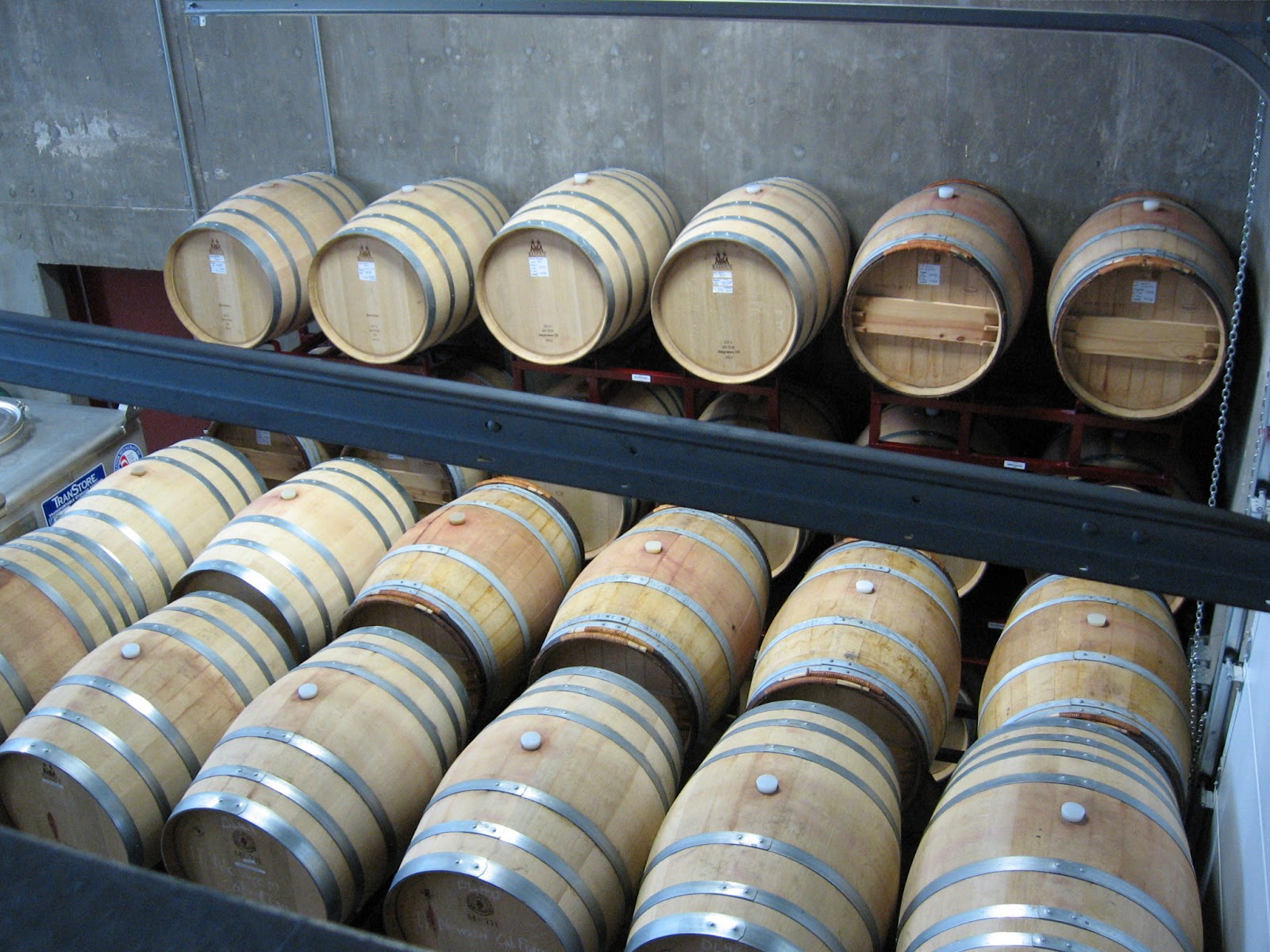
To fortify said wines, brandy is introduced to stop the fermentation process. In order to achieve the rich flavors, sweetness, and alcohol, port is barrel aged, often longer than regular red wines.
The ageing of Port leads to different styles. Ruby Port is a full body and rich fruit flavors. These wines are aged only a short time. Tawny Ports take quite a bit longer. They are often aged 10 years or more in oak, which leads to a smooth taste that is dominated by butterscotch and/or nuts. In Texas, most ports are Ruby; however, older wineries have been working towards Tawny ports.

There is also a range of fortified wines. Port is the most common in Texas but Madeira is a growing addition to Texas’s Port Portfolio. Unlike Port, Madeira is “cooked.” The wine is subjected to long periods of heat; a very easy thing to do for most of the year. This process takes the wine in a bit different direction compared to Port – but not that different. The most obvious difference is shelf life: an open Port can be good for a few weeks (sometimes a month), and an open Madeira can be enjoyed until it’s gone.

And the rumors are true, Portugal is seeking to have Port a term only used on wines made in the Port style, using Port grapes, and vented in Portugal. Right now the issue is complicated; a number of the names – like Porto – are only available to Portuguese producers, but Port, itself, is still in limbo. In Texas, the older producers still use the Port label; however, newer producers and newer ports are often given a different name. One of the most common right now is Portejas (Port + Tejas).

Texas winemakers have found that the state can produce great Ports and related wines. For one, many of the Portuguese grapes grow well in Texas and are often common, including Touriga Nacional, Tempranillo, and Tinto Cao for the reds and Alabrino and Verdhlo for the whites. Second, Port is often a blend wine, a growing trend in Texas wine-making. In addition, Texas’s warm conditions – especially the very hot, often prolonged Summer – are conducive to making Madeira. Wine Road 290 Ports

290 Ports

Below is a quick overview of the Ports and related wines available at the Wine road 290 member wineries (and so possibly available during Port and Pairings). The wineries are ordered from West to East. NOTE: I have not tasted all of these Ports, so in some cases the information provided is that provided by the winery.

  • 2010 Yellow Parasol: Made from Blanc du Bois, this Silver Medal winning wine has sweet, creamy white notes.
  • 2008 Almagres: This is a new release made from Lenoir (AKA Black Spanish). This wine has strong red fruit notes (like raisin) and baking spice.
Port: This is a non-vintage blend with 11.2% residual sugar and 19% alcohol.
This winery’s tastings are always free.

  • Messis non-vintage: This wine starts strong but mellows into sweet stone fruits.
  • Titinia Rose: Strong floral nose and taste. The end has a warmer, sweeter flavor reminiscent of caramel.
  • Renegade (Red): Made from Zinfandel, it is currently not available.
 
Port: This port is primarily made from Merlot, with a hint of Cabernet Franc. The mellow 7% residual sugar leads to a lightly sweet wine that emphasizes ripe, sweet red fruits, especially cherry – rather than sugar – and a hint of baking spices. This port is more wine-like, as it focuses more on fruit flavors rather than a combination of other notes; it also ends relatively drive due to strong tannins.


  • Blanco: This popular white port is 18% alcohol and has sweet white notes, like stone fruits and nuts.
  • Port 2010: This wine is primarily made from Black Spanish, but it is blended with Touriga (which can be detected). It is 18% alcohol and 6% residual sugar with flavors of heavy dark red fruits and red wine notes.
  • Brennan Vineyards Portejas (Note: this may not be currently available.) This Ruby Cab Port has strong dark chocolate notes and winter spice. Its 19% alcohol produces a pleasant warming effect.
  • Lost Oak Portejas: This non-vintage wine is described as a balance of the flavors found in Ruby and Tawny Port.
Port: The current offering is a blend of Nebbiola, Tempranillo, Malbec, and Syrah. The nose is gentle, with soft fruit and hints of nut, but the taste emphasizes red fruits like plum with two typical port markers, caramel and nut. The strong tannins at the end make the wine less sweet.


At this time, Hilmy does not offer a Port. Erik Hilmy has considered making one.
Hilmy always makes sure to have a rich substitute wine and pairing.

  • 2012 Texas White Port: This sweet wine has light stone fruits and apples with a lingering finish.
  • 2009 Texas Ruby Port: This is Lenoir (Black Spanish) Port has been barrel aged for 4 years. Strong red fruits, like cherry, give way to chocolate and anise.
Pedernales Cellars' Texas Dulce
  • Ruby: This is a winery favorite. This wine is a blend of traditional Port grapes – Touriga and Tempranillo. This full bodied red has hints of caramel, chocolate, and nuts, but is dominated by strong, rich dried red fruit. This wine, like others, has a dry ending. 
  • Texas Dulce: Made from award winning Viognier, the wine is a golden sweet peach accentuated with toasted almond and a hint of pecan. This Port is new, from October 2014.


Currently, William Chris has two wines and they are only available at the Madeira House. Here, the Rousanne Madeira is the foundation for a number of cocktails. Be careful, they can sneak up on you.

William Chris's Rousanne Madeira
  • Roussane Madeira: This white starts with the brandy, needed to fortify the wine, and apricot, but quickly moves into a fresh shelled pecan that lingers well after tasting.
  • Black Jacque: 100% Black Spanish Madeira dominated by raisin (nose and taste). The raisins in the taste are rich and deep, sweet, red fruits. It imparts warmth.
At this time, there is no port; it is still aging in the barrel. I have tasted it twice and have noticed its development. Once it is ready, it will have rich caramel and nut notes.
For now, Hye Meadow will offer a substitute wine and pairing.

  • Rubino 2011: Made from Syrah has rich, red and light black fruit notes. This fruit forward port is not particularly sweet, as winemaker Gary Gilstrap prefers light sugar. The port ends light and pleasantly.
  • Port Blanco 2012: This estate grown Orange Muscat Port has a more refined finish than the Rubino. Like the red port, it is very fruit forward with cool citrus notes and ripe stone fruit; as it moves, the stone fruit – pear and peach – take control to round out the citrus and soften the sweetness. This port is soft with and light and smooth mouth feel.

Hill Country Ports of Note

If Port and Pairings has you craving more, a number of neighboring wineries offer Port. As they are not on the trail, a tasting fee is a required. Also, there will be no specific pairing; however, most provide dark chocolate or similar confections (Compass Rose’s Almond Toffee s amazing) to highlight the Port.

  • Decandencia: This popular dessert wine is made from Ruby Cabernet is (with some added flavors that accentuate the cherry and chocolate notes present in the Port). In the end, this seems quite a bit like a dark chocolate covered cherry.
  • Sweet Bailey Ray: At 18% alcohol, this wine is strong, but its sweetness is mild. The wine has added flavors as well; instead of cherry, this is chocolate covered orange.
Blanc du Bois Port: Dan Gaitlin is known for meticulous crafting of his wines. This white Port has hints of dried apricots and a strong sense of nuts.

Messian Hof Hill Country Port

Messina Hof has had the time to learn about and create great Ports. They currently have six ports. They differ from others because most are not fortified (the Bonariggos have found a way to create that result with just the wine). All are made from Black Spanish.
  • Texas Tawny: This wine has been oxidized to create a rusty red color (like many true Tawnys). Caramel and dark chocolate notes end with a sense of dryness.
  • Admirals’ Reserve: Made in honor of Admiral Nimitz, has a cherry nose and flavors of light cherry, caramel, and chocolate. (They consider this a cigar pairing wine.)
  • Midnight Yell: A fruit forward Port that has light red fruits and dulce de leche flavors is a great intro port.
  • Barrel Reserve: The light Ruby Port is fruity with hints of ripe cherry.
  • Hill Country Estate Port (Black Label): From 100% Hill Country grapes, this port is the only one fortified with brandy. The dry finish follows rich caramel notes.
  • Papa Paulo (Premium Red Label): This well-known Port has black cherry and earth on the nose. The flavor is tart black cherry and dark chocolate. This Port is smooth and sweet but has an earthy end.
Newly opened Compass Rose has decided to develop a Port and Madeira program; winemaker Robert Nida became fond of the styles, as well as Sherry, during study in Spain.
  • 2012 Jacquez: The Port is a soft and alluring blend of raisin and walnut notes. The Black Spanish in the Port grows less sweet and the dark red fruits dominate as the port ends dry.
  • Iron Spike: This Madeira is currently not available but has been available for tasting at special events. It is a richer, more subtle wine compared to the Jacquez, but has similar notes.
Barriques at Fat Creek

The winery has had a port program for quite a while. Port here is made from traditional port varietals, specifically estate grown Tinta Madeira, Tinta Cao, Touriga, and Tempranillo. Then, the wine is fortified during the fermentation process and aged in barrels. A while later, the port is moved into large traditional casks – barriques – where several vintages will be combined. The traditional use of the Solero method and Portuguese grapes helps bring out common port flavors.


V: A seven years old with a nose of plum and raisins accented by nut. The taste starts sweet, emphasizing the fruit, and then softens to highlight a more delicate balance of ripe fruit and nuts.


Another experienced winery is Dry Comal Creek in New Braunfels. The winery has become known for its two ports.
  • 1096 Red Port: Made from estate grown Black Spanish, this wine is similar to many of the Black Spanish based fortified wines. This wine has strong red and black fruit and nuts (pecan and almond specifically).
  • 1096 White Port: They use their signature white grape – French Colombard – to create a more sherry like experience. The port exudes sweet candy tastes, like bit-o-honey and butterscotch.

Conclusion

Many dry wine drinkers are scared off of port. Many worry about the taste -- too rich, too sweet, etc. A small selection of the available Ports shows that these can be various themselves, and there are many to fit most palates. 

Others are worried about the high alcohol content. As for alcohol content, that is offset by smaller portions, which is all that is needed with such rich wines. 

Flat Creek V
 So break open a bottle, sit by the fire, and sip on a bit of Texas. Or better yet, come out to Wine Road 290 for Port and Pairings.

Note: All photos taken by Sean Tait Bircher at Wine and Savages.

Sunday, January 12, 2014

Sipping Port: Wine Road 290 Port & Pairings

This past weekend saw the start of the 2014 wine season in the Texas Hill Country. The first Wine Road 290 event -- Port and Pairings -- drew Sean and me out to sip some fortified wine and nibble on sweet delectables. If this first event is an indication, 2014 will provide lots of fun.

We were blessed. As I write this the day after, the clouds are keeping a dreary pall on the day after some brief sprinkles, and the promised warmth is being kept at bay. That was not the case yesterday. The weather cooperated, providing a comfortable day with abundant sunshine. When we started before noon, there was still a crispness in the air that we stopped noticing as the the sun warmed everything. So of course, as the day wore on, more and more people found their way to the wineries along Highway 290.

Wine Road 290

For those unfamiliar, Wine Road 290 is an affiliation of wineries more or less on the stretch of Highway 290 between Fredericksburg and Johnson City. Not every winery along thew way is a member, but most are, including 4.0 Cellars. The group participates in six scheduled events throughout the year. These events are all pairing events.

For each themed event, the winery pairs one of their wines with a specific food choice. Sometimes the focus is on the wine, as was the case this time: the wineries paired one of their ports (or another wine if they didn't have a port) with a food item of their choice. Other events, like February's Rajin Cajun, will focus on food. In a case like this, the winery will choose a food pairing that matches the theme and pair a wine with that food.

Oftentimes when wine trails offer events like this, there is a fee or a needed ticket. That is never the case along Wine Road 290. No ticket is needed and the pairing is always free. Some wineries make the tasting completely free. In many of these cases, a separate tasting area is set-up with the food and the wine. For others, the food pairing is free but the wine tasting may not be; in those cases, a tasting must be purchased as well. Often, if a tasting is required, many wineries will add the pairing wine as a special bonus, a free additional taste with your tasting.

Port and Pairings

When I went out on Saturday, I stopped by my all-time favorite places. I drank great port at two of my spots, got to try a young port still in barrel at another, and sipped on a nice red wine at the last. It all depends on what wines the winery has available. All provided wonderful sweets that paired well with the wines.

As for the sweets, most wineries made their own. This is always a treat because most of these wineries have some incredible cooks hiding among their ranks. And if you needed further proof of that, just check out ABC's The Taste to see Hill Country winemaker Don Pullum (Mason County grape grower, winemaker for Sandstone Cellars and Akashic Vineyards, and consultant to [Wine Road 290 winery] Torre id Pietra, Fly Gap, and Pontotoc) as he wows the judges with his culinary delights. Some wineries also opt to bring in professional culinary talent to provide the pairing; one winery I visited did that. Among the member wineries, Grape Creek usually enlists the services of local chef Russ Brutwell of Cabernet Grill; I recommend visiting them during an event if the opportunity arises.

Ready Ports -- Pedernales Cellars & William Chris

From left to right: Flourless chocolate cake, Pedernales Ruby Port, and El Rey Chocolates
 During my time out I tasted two well received ports, the Ruby port at Pedernales Cellars and the Jacquez from William Chris. At Pedernales, the Ruby port is a blend of Texas grapes to create a bright, fruit forward port. In the kitchen at Pedernales, they baked up a brownie with port icing and a flourless chocolate cake (both using El Rey chocolates) that brought out the rich flavors that are subtle in this port. They also had my favorite local shop, Chocolat, prepare a beautiful chocolate covered cherry.

Port Brownies and chocolate covered cherries from Chocolat
In Hye at William Chris, we sipped on the Black Spanish Jacquez. This robust port with a mix of caramel and fruit notes was my favorite pairing of the day. A supple and simple buttermilk pie made the port darken and soften, bring out the more nutty flavors in this already rich wine. I could have sampled this all day. A side note on William Chris: in the next few months, at least one sparkling Blanc du Bois will be available with a second one later on.
Homemade Buttermilk Pie and Jacquez

Port in Training -- Hye Meadow

Also in Hye, the newest winery to the trail, Hye Meadow, provided one of the most unique tastes of the day. Winemaker Jeff Ivy brought out his new Syrah port for sampling. The wine has only been in the barrel since October and will remain their for two whole years before bottling. Since this wine is far from ready, Jeff rolled out two barrels to the winery's scenic back porch. It was exciting to taste an infant port. The nose shows a lot of potential character with my favorite go-to notes, such as nut and caramel with some rich chocolate. The taste though is a right now a darkened berry that is full and alive. I would liken the taste to a bold red rather than a port; however, right at the tail end I noticed a hint of that aroma. I have high hopes for this port, and I can't wait to see how it progresses.

Winemake Jeff Ivy with the Syrah port
Though the port was the star, I can't leave out my favorite baked good of the day. Owner Mike Batek brought brownies from a family recipe. This moist and rich brownie was a treat all on its own, but it did bring out that chocolate note in the fledgling port.

Beautiful Brownies
And for those that can't wait for the port, the next month or so will see the release of some incredible new reds, including Tempranillo, Dolcetto, and Aglianico among others.

A Taste of Wine and Chocolate -- Hilmy Cellars

Our last official Wine Road 290 stop was at Hilmy Cellars. Though there will be a port n the future, there isn't one yet. Instead, the crew there brought out the new Politics and Religion -- a supple red blend -- for the pairing. Kuntry Kunfekshuns brought out some final sample but also paired their Choco Krossie with the wine. This chunk of chocolate brought together rolled oats, nuts, and some cayenne for a fine snack. To be honest, I could have eaten that all day long. 
Choco Krossie in the afternoon sun
 This confection provide a more earthy base -- thanks to the nuts and oats -- that worked well with the young wine (Politics and Religion hasn't been in the bottle long). The wine is currently a bit tight -- a good decanting helps bring this wine out -- so pairing it with a stronger chocolate helped to even out the very bright fruit notes that dominate what will be a subtle and seductive red blend. Though I didn't save my bite, I now wonder if it would have also paired with the winery's very fine Gewurtraminer.


A Sunny 2014

By the end of the day, we slipped out of a very busy and bustling Hilmy. Though are first few stops were a bit quiet, for a Saturday, by the end, the day brought lots of eager folks out to taste great sweet wine and delicious treats. January is often a slow time out along the trail, but that was far from what we saw. It looks like 2014 is off to a great start. And it tasted terrific too.

Friday, June 21, 2013

Lewis Wiines

For months, I had been trying to finally visit Lewis Wines. I had known about it as early as last Spring, and then late in 2012, Chris Brundrett (of William Chris Wines) mentioned he was headed out there for a pre-opening tasting. Due to a snafu, Sean and I didn't get to tag along. Flash forward to Spring 2013, and everyone is eagerly awaiting the official opening; that is when I heard they were doing appointment only tastings. I tried to arrange one, but they weren't available. I tried again, only to not make contact. Finally, on a Saturday evening, I called owner Doug Lewis to finally make my appointment.

I'll admit, it has been nearly a month since that visit. I have had a hard time to writing this up; getting to this post was difficult. The visit was not the problem; the tasting and visit was great. The problem was with what happened later in the day. A difficult family situation got out of hand and became a real mess. It's been hard to write about something so great with the shadow of what came later hanging over it. Now, I'm ready to move on and finally get to one of the most inspiring winery visits I have ever had.

Doug Lewis (to the back in the cap) and Duncan McNabb (red shirt) providing a group tasting

When Sean and I arrived, Duncan McNabb, Doug's partner, met us at the door. His partner, Doug Lewis soon joined us. I was surprised as I looked at these two new Texas winemakers: they were young. Now I have gotten used to the Texas wine industry getting younger, but younger meant closer to my age -- thirities. When I looked at these two, I realized they were old enough to have been my students. I was right; Doug admitted to being only 26. This took me back for a moment, but when I put it into perspective, I realized this was a good thing. Our next generation of Texas winemakers are starting out, trying to master their craft and experiment. This is a sign of a robust industry, one with a future. And after what I tasted, I knew the future holds great promise.

During my tasting, I talked to Doug, trying to get an idea how he came to wine. I don't care what people say about the Millennials getting into wine; I don't see the numbers to support the idea. When I am visiting wineries and wine club events, the visitors are getting younger, but most are still older. And when I talk to my older students -- those in their twenties -- most don't even drink wine. So, Doug had to have acquired a taste for wine somewhere, and I was curious where. As I found out, it was one of my favorite places, Pedernales Cellars. Doug got his hands dirty helping out manager Jim Brown and winemaker David Kuhlken. While Doug was there, he began to experiment with wine. Before long, Pedernales Cellars was giving him the connections and knowledge he needed to start his own winery.

The future of Texas wine: barrels at Lewis Wines

And one of the most valuable connections Doug got was Texas grape growers. Doug knew who were the top grape producers in the state, and even knew how to get a hold of him. It even gave him direct lines to highly sought grapes. Doug recounted one time when one High Plains grower was a bit leery of selling his grapes to a new winemaker. Luckily, Doug had the best references he could get and scored himself incredible grapes. His connections have also allowed him to get some of the limited and prized Touriga. After a recent visit to Spicewood Vineyards, Brad Dixon told me how hard it is to get Touriga. When I heard that, I knew Doug's supply was a rare commodity.

And the work Doug and Dave are doing on their little slice of 290 is something to behold. To be honest, Sean and I are on a VERY tight budget. We went telling ourselves we really shouldn't buy any wine, for now. That rule didn't hold; we left with three bottles, buying three of the five wines available. Doug and Duncan are producing wines that suit Sean's and my pallets quite well. These wines show a growing mastery of the grapes but also a great playfulness. In fact, that playfulness is what stands out with these wines. I found many of the wines we tasted to have something unique about them, setting them apart from similar wines produced throughout the state.

Where the whites were at the time of our visit

As of our tasting, the whites were still in the barrel, growing and maturing. The whites are excellent examples of Texas Viognier. The 100% Viognier made from Binghman Vineyard grapes was a crisp white with a nice hint of acid. The nose and the taste was smooth: a consistent, a bouquet of citrus tones with an emphasis on pineapple. Take this same great varietal and make it 52% Viognier and 48% Chenin Blanc, and the bright crisp wine becomes one that is soft and cooler, a easy sipping dry white. This second white was more subtle, but it also highlighted the sweetness inherent in the citrus. The 100% Viognier would make a great pairing wine, bright and clear. The second, with its more laid back character, makes for a great end of the day sipping wine.

When we moved on to the reds, I knew something wonderful was coming up. Viognier is one of those whites for red drinkers; well done Viogniers often translate into strong reds. That was again the case here. I beamed from ear-to-ear when I saw the Texas Malbec. The grapes from this terrific wine came from Neal Newsom. When Doug went up to get the grapes, we had to hand pick them. Well, he was in luck. A family of Mennonites aided in the harvest; they actually picked more than Doug and the others with him. As for the wine, it was rich, earthy full bodied Malbec -- aided by a hint of Petite Verdot. The wine made my think of the darker Argentinian Malbecs. Of course, this was one of the bottles we brought home.


Neal Newsom provided grapes for the Lewis Wines' Cabernet Sauvignon. I had, for awhile, turned away from this perennial red. However, I began to think twice when I had the Newsom Cab from Becker vineyards. And then came the Bending Branch Newsom Cab (San Francisco award winning Cab by the way), and on and on and on. I came back to Cab because there is something about those Newsom grapes. And this recent addition to that tradition is another great example. This wine had a smokiness that is so often lost in smooth Cabs; this less fruity tone makes it stand out.


As I mentioned earlier, Lewis Wines has scored a major coup. They have Mason County Touriga Nacional (they have now gotten the grapes from Round Mountain, whom I am guessing had once been Spicewood's provider). Touriga is such an exciting grape. Every Texas wine I have had it in --- most blends -- have remained favorites. From my first taste with Sandstone, to my growing appreciation with Persissos, and now all of my recent forays -- Fly Gap, Spicewood -- I am enamored. The 2010 Texas red wine is a blend of 50% Touriga, 33% Tempranillo, and 17% Tinto Cao. This unique blend  has a complex nose that contrasts from flavor of the wine; the nose is strong with a powerful sense of dark berries and fruit, but the taste is less so. The flavors are currently muddled in the wine. The beginning is a light, gentle taste that grows. By the middle, the wine struggles to bring forth the three grapes. And at the end, the wine smoothes out and and becomes a harmony of flavors that leaves one glad they took the journey.  We bought a bottle to let it age a bit, as I think the wine has great potential but needs to mature a bit.


Lewis Wines had two top red blends from 2010 grapes. The other is more Tempranillo (55%) paired with 35% Mourvedre, 8% Syrah, and 2% Grenache. This wine provided a bold, fruit flavor that makes great use of the non-Temp grapes. In addition to this Temp blend, there was a 100% Tempranillo sourced from Kuhlken family vineyards and Bingham vineyards. I expected an earthy Temp, like what is normally found from Pedernales Cellars, but was happily surprised to taste a more nuanced one, one with more fruit, a softer touch on the earth and spice and brighter with the fruit. Of course, it is with the touch that brings out the softer side of Tempranillo that can create the blend.


A field of wildflowers on the road from the winery back to 290
New Wine
Red, yellow, with hints
of purple stretch out above
tall grasses, age old dirt.

All I can see: a fresh look 
springing forward to tomorrow.


I enjoyed the visit to Lewis Wines. Duncan and Doug are so friendly and welcoming. And their wines feel just the same. These aren't the powerhouse red wines coming from some of the Texas wineries. These wines are welcoming ones; ones that younger wine drinkers can be introduced to and find their way. And for we more experienced wine drinkers, they are a "Howdy" and a smile that allows us to sit back and relax into the wine. This is a bright new future for Texas wine.